നവാമുകുന്ദൻNavamukundan
കിഴക്കോട്ട് ദർശനമായ ചതുർബാഹുവായ വിഷ്ണു; മുട്ടിന് മുകളിലുള്ള ഭാഗം മാത്രം ദർശിക്കാംFour-armed Vishnu facing east, seen only above the knees
ॐ
തിരുനാവായ, തിരൂരിന് സമീപം · മലപ്പുറം ജില്ല · കേരളംThirunavaya, near Tirur · Malappuram District · Kerala
ഓം നമോ നാരായണായ
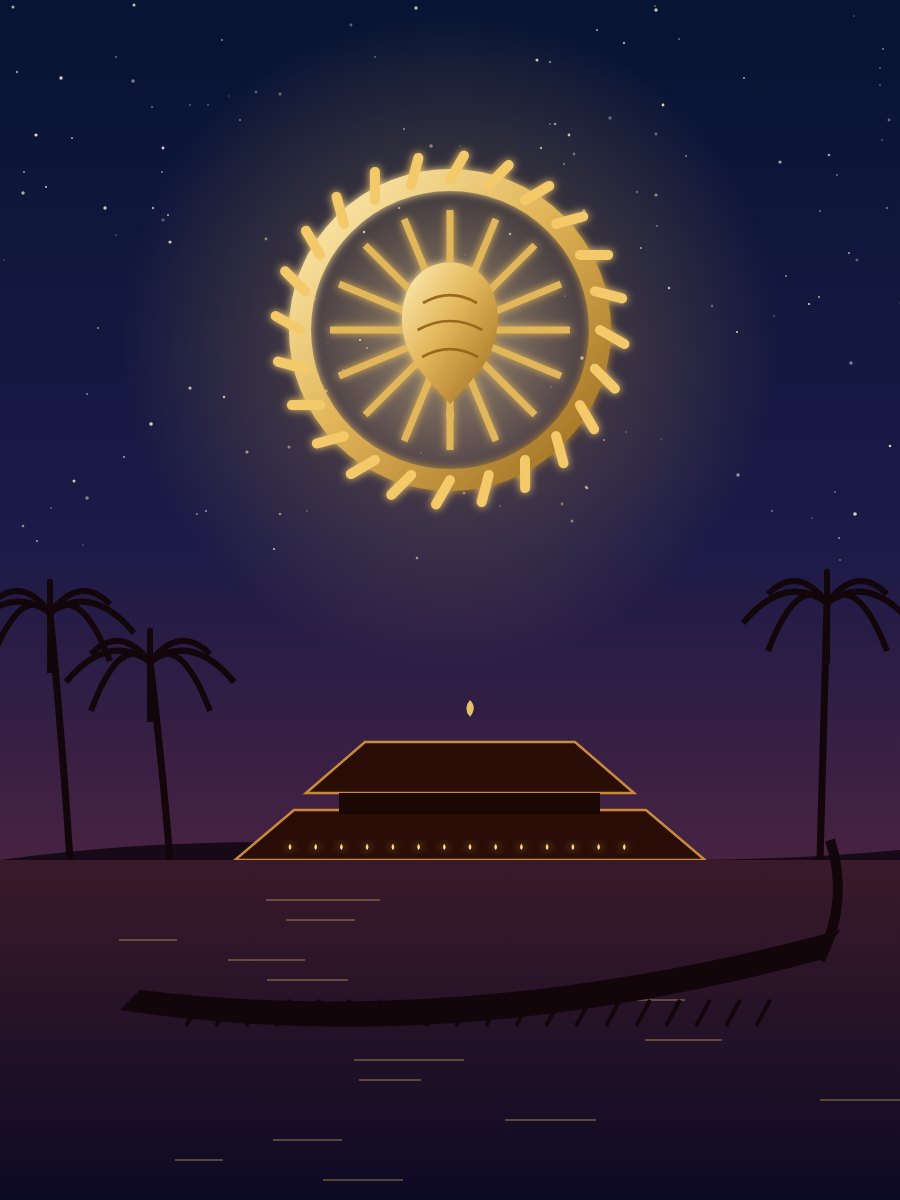
മലപ്പുറം ജില്ലയിലെ തിരുനാവായയിൽ, കേരളത്തിന്റെ ‘നിള’യായ ഭാരതപ്പുഴയുടെ വടക്കേക്കരയിലാണ് നവാമുകുന്ദ ക്ഷേത്രം. കേരളത്തിലെ ഏറ്റവും പഴക്കമുള്ള വിഷ്ണുക്ഷേത്രങ്ങളിലൊന്നായ ഇത്, ആഴ്വാർമാരുടെ സ്തുതികളിൽ പരാമർശിക്കപ്പെടുന്ന 108 ദിവ്യദേശങ്ങളിലൊന്നുമാണ്. പുഴയുടെ മറുകരയിൽ ബ്രഹ്മാവിന്റെയും ശിവന്റെയും ക്ഷേത്രങ്ങളുള്ളതിനാൽ നിളയുടെ ഈ ഭാഗം ത്രിമൂർത്തി സംഗമസ്ഥാനമായാണ് ഭക്തർ കാണുന്നത്.
ഓർമ്മകളുടെ മണ്ണ് കൂടിയാണ് തിരുനാവായ. മദ്ധ്യകാല കേരളത്തിലെ പന്ത്രണ്ട് വർഷത്തിലൊരിക്കലുള്ള മഹോത്സവവും വാണിജ്യമേളയുമായ മാമാങ്കം നൂറ്റാണ്ടുകളോളം നടന്നത് ക്ഷേത്രത്തിന് മുന്നിലെ ഈ പുഴയോരത്താണ്. ഇന്ന് പിതൃക്കൾക്ക് ബലിയിടാനാണ് കുടുംബങ്ങൾ പ്രധാനമായും ഇവിടെയെത്തുന്നത് – ഈ കടവ് കാശിക്ക് തുല്യം പുണ്യമുള്ളതായി കരുതപ്പെടുന്നു – കർക്കടക വാവിന് പതിനായിരങ്ങൾ മണൽപ്പരപ്പിൽ ഒത്തുകൂടും.
The Navamukunda temple stands on the northern bank of the Bharathapuzha, Kerala's 'Nila', at Thirunavaya in Malappuram district. It is one of the oldest Vishnu temples in Kerala and one of the 108 Divya Desams praised in the hymns of the Tamil Alvar saints. Across the river stand temples of Brahma and Shiva, so devotees see this stretch of the Nila as a meeting place of the Trimurthis.
Thirunavaya is also a place of memory. For centuries the riverbank in front of the temple hosted the Mamankam, the great twelve-yearly festival and fair of medieval Kerala. Today families come here above all to offer bali for their ancestors in the river – the bank is held to be as sacred as Kashi – and on the new-moon day of Karkidakam tens of thousands gather on the sands.
ഒൻപത് യോഗിമാരുടെ – നവയോഗികളുടെ – ഐതിഹ്യത്തിൽ നിന്നാണ് ക്ഷേത്രത്തിന്റെ പേര്. പുഴയുടെ മറുകരയിൽ ബ്രഹ്മാവ് യാഗം നടത്തിയപ്പോൾ മഹാവിഷ്ണു വസിച്ച സ്ഥലത്ത്, ഒൻപത് സഹോദരന്മാരിൽ മൂത്തയാൾ വിഷ്ണുവിഗ്രഹം പ്രതിഷ്ഠിച്ചുവെന്നും എന്നാൽ അത് ഭൂമിയിലേക്ക് താഴ്ന്നുപോയെന്നുമാണ് കഥ. തുടർന്ന് ഏഴ് സഹോദരന്മാർ ഓരോരുത്തരായി ശ്രമിച്ചു; ആ വിഗ്രഹങ്ങളും താഴ്ന്നുപോയി. ഒടുവിൽ ഒൻപതാമനും ഇളയവനുമായ യോഗി എല്ലാ വിധികളോടും കൂടി പ്രതിഷ്ഠ നടത്തി; ഇത്തവണ വിഗ്രഹം ഉറച്ചു – എങ്കിലും മുട്ടോളം താഴ്ന്ന ശേഷമാണ് നിന്നതെന്ന് പറയപ്പെടുന്നു. അതുകൊണ്ടാണ് ഭഗവാന്റെ മുകൾഭാഗം മാത്രം ദർശിക്കാനാകുന്നതും ‘നവാമുകുന്ദൻ’ എന്ന് വിളിക്കുന്നതും; ‘തിരുനാവായോഗി’ എന്ന സ്ഥലം തിരുനാവായയായി. ഒരേ പൊയ്കയിലെ താമരപ്പൂക്കൾ കൊണ്ട് ലക്ഷ്മീദേവിയും ഗജേന്ദ്രനും ഇവിടെ വിഷ്ണുവിനെ പൂജിച്ചുവെന്നും, ഒടുവിൽ ഭഗവാൻ ലക്ഷ്മിയെ തന്റെ അരികിലിരുത്തിയെന്നും മറ്റൊരു കഥയുമുണ്ട്.
ചരിത്രത്തിൽ, പന്ത്രണ്ട് വർഷത്തിലൊരിക്കൽ പുഴയുടെ മണൽത്തിട്ടയിൽ ഒരു മാസത്തോളം നീണ്ടുനിന്ന വ്യാപാരവും ആരാധനയും ആയോധനപ്രകടനങ്ങളും ചേർന്ന മാമാങ്കത്തിന്റെ വേദിയായിരുന്നു തിരുനാവായ. അതിന്റെ രക്ഷാപുരുഷസ്ഥാനം ചേരമാൻ പെരുമാക്കന്മാരിൽ നിന്ന് വള്ളുവനാട് രാജാവിനും പിന്നീട് ബലപ്രയോഗത്തിലൂടെ കോഴിക്കോട് സാമൂതിരിക്കും ലഭിച്ചു. തിരിച്ചുവരില്ലെന്നറിഞ്ഞുകൊണ്ടുതന്നെ സാമൂതിരിയെ നേരിടാൻ വള്ളുവനാട്ടിലെ ചാവേറുകൾ മാമാങ്കത്തിനെത്തുമായിരുന്നു. പതിനെട്ടാം നൂറ്റാണ്ടിന്റെ മദ്ധ്യത്തിലാണ് (സാധാരണ പറയുന്ന വർഷം 1755) അവസാന മാമാങ്കം നടന്നത്. സാമൂതിരി നിന്നിരുന്ന നിലപാടുതറയും മണിക്കിണറും ഇന്നും സമീപത്തുണ്ട്.
പതിനെട്ടാം നൂറ്റാണ്ടിന്റെ അവസാനത്തിലെ സംഘർഷങ്ങളിലും പിന്നീട് 1921-ലും ക്ഷേത്രത്തിന് കേടുപാടുകൾ സംഭവിച്ചു; പിന്നീട് കേരളീയ ശൈലിയിൽ പുനരുദ്ധരിച്ചു. 1793-ൽ അവസാനത്തെ വെട്ടത്ത് രാജാവ് അന്തരിച്ചതോടെ ഭരണം സാമൂതിരി കുടുംബത്തിന്റെ കൈകളിലെത്തി; ഇന്ന് മലബാർ ദേവസ്വം ബോർഡിന് കീഴിൽ സാമൂതിരിയാണ് മാനേജിംഗ് ട്രസ്റ്റി. പഴയ പന്ത്രണ്ടാണ്ട് പാരമ്പര്യം പുനരുജ്ജീവിപ്പിക്കാനുള്ള ശ്രമമായി 2026 ജനുവരി–ഫെബ്രുവരിയിൽ ക്ഷേത്രത്തിന് മുന്നിലെ പുഴയോരത്ത് കുംഭമേള മാതൃകയിലുള്ള ‘മഹാമകം’ സംഗമം നടന്നു.
The temple's name comes from a legend of nine sages, the Navayogis. The story goes that the eldest of nine holy brothers installed an image of Vishnu here, at the spot where Vishnu had stayed while Brahma performed a great yaga on the opposite bank – but the image sank into the earth. Seven more brothers tried in turn, and each image sank too. The ninth and youngest finally installed the Lord with all the proper rites, and this time the image stayed, though it is said to have sunk to the knees before it stopped. That is why only the upper part of the deity is seen, and why the Lord is called Navamukunda; the place, once 'Tirunavayogi', became Thirunavaya. Another story tells how Lakshmi and the elephant king Gajendra both worshipped Vishnu here with lotuses from the same pond, until the Lord seated Lakshmi beside him.
In recorded history, Thirunavaya was the stage of the Mamankam, a month-long gathering of trade, worship and martial display held every twelve years on the riverbed. Its presidency passed from the Chera Perumals to the ruler of Valluvanad and later, by force, to the Zamorin of Kozhikode. Valluvanad's chaver warriors would come to the festival to challenge the Zamorin, knowing they would not return. The last Mamankam was held in the mid-18th century (1755 is the date most often given). The platform where the Zamorin stood, the Nilapaduthara, and the Manikkinar well still survive nearby.
The temple suffered damage in the turmoil of the late 18th century and again in 1921, and has since been restored in the Kerala style. After the last Vettathu Raja died in 1793, its administration passed to the Zamorin's family, and today the Zamorin serves as managing trustee under the Malabar Devaswom Board. In January–February 2026 a large Kumbh-Mela-style gathering (Mahamakham) was held on the riverbank in front of the temple, in an attempt to revive the old twelve-yearly tradition.
കിഴക്കോട്ട് ദർശനമായ ചതുർബാഹുവായ വിഷ്ണു; മുട്ടിന് മുകളിലുള്ള ഭാഗം മാത്രം ദർശിക്കാംFour-armed Vishnu facing east, seen only above the knees
ഭഗവാന്റെ പത്നിയുടെ പ്രത്യേക ശ്രീകോവിൽSeparate shrine of the Lord's consort
ഉപദേവതSub-shrine
ഉപദേവതSub-shrine
പാരമ്പര്യവും മാന്യവുമായ വസ്ത്രമാണ് നല്ലത്: പുരുഷന്മാർക്ക് മുണ്ട്; സ്ത്രീകൾക്ക് സാരി, സെറ്റ്-മുണ്ട്, നീളൻ പാവാട, അല്ലെങ്കിൽ ചുരിദാർ. കേരളത്തിലെ പല ക്ഷേത്രങ്ങളിലുമെന്നപോലെ, അകത്ത് പുരുഷന്മാർ ഷർട്ട് അഴിക്കണമെന്ന് ആവശ്യപ്പെട്ടേക്കാം. ബലിതർപ്പണത്തിന് പുഴയിൽ മുങ്ങിക്കുളിച്ച് നനഞ്ഞ വസ്ത്രത്തിൽ – സാധാരണ മുണ്ടുടുത്ത് – ആണ് കർമ്മം; മാറാനുള്ള വസ്ത്രം കരുതുക. ക്ഷേത്രത്തിലെ നിലവിലെ അറിയിപ്പുകൾ പാലിക്കുക.
നാലമ്പലത്തിനുള്ളിലെ പ്രവേശനം ക്ഷേത്രാചാരപ്രകാരമാണ്; ക്ഷേത്രത്തിലെ നിലവിലെ അറിയിപ്പുകൾ പാലിക്കുക. ശ്രീകോവിലിനുള്ളിൽ തന്ത്രിയും മേൽശാന്തിയും മാത്രമേ പ്രവേശിക്കൂ. ബലിതർപ്പണം പുരോഹിതന്റെ സഹായത്തോടെ പുഴക്കടവിലാണ്; ആദ്യം കൗണ്ടറിൽ പേര് ചേർക്കുക. ക്ഷേത്രത്തിന് സ്വന്തമായി കുളമോ കിണറോ ഇല്ല – പൂജകൾക്ക് പുഴവെള്ളമാണ് ഉപയോഗിക്കുന്നത്.
കർക്കടക വാവിന് (ജൂലൈ–ഓഗസ്റ്റ്) പുലരും മുമ്പേ വൻതിരക്കാണ്; തുലാം, കുംഭം വാവുകളിലും തിരക്കുണ്ട്. മേടത്തിലെ (ഏപ്രിൽ) പത്ത് ദിവസത്തെ ഉത്സവകാലം ആഘോഷനിറവാണ്. മറ്റ് സമയങ്ങളിൽ പുഴയോരം ശാന്തമാണ്; നിളയിലെ പുലരിയും അസ്തമയവും മനോഹരം. മഴക്കാലത്ത് പുഴയിൽ വെള്ളം കൂടാം – കടവിലെ നിർദ്ദേശങ്ങൾ പാലിക്കുക.
നിലപാടുതറ – മാമാങ്കത്തിന് സാമൂതിരി അദ്ധ്യക്ഷത വഹിച്ചിരുന്ന തറ.
മണിക്കിണർ – മാമാങ്കത്തിൽ വീണ ചാവേറുകളുമായി ബന്ധപ്പെട്ട പഴയ കിണർ.
ബ്രഹ്മ-ശിവ ക്ഷേത്രങ്ങൾ – പുഴയുടെ മറുകരയിൽ; ത്രിമൂർത്തി സംഗമം പൂർത്തിയാക്കുന്നു.
തുഞ്ചൻ പറമ്പ്, തിരൂർ – മലയാളഭാഷയുടെ പിതാവായ തുഞ്ചത്ത് എഴുത്തച്ഛന്റെ ജന്മസ്ഥലം; അൽപ്പദൂരം യാത്ര.
Traditional, modest clothing is best: a mundu or dhoti for men, and a saree, set-mundu, long skirt or churidar for women. As in many Kerala temples, men may be asked to remove shirts inside. For bali tharpanam people bathe in the river and do the rite in wet clothes, usually a mundu, so bring a change. Follow the temple's current notices.
Entry inside the nalambalam follows the temple's customs; please follow the temple's current notices. Only the thanthri and the melsanthi enter the sreekovil. Bali tharpanam is done on the riverbank with a priest; register at the counter first. The temple has no pond or well of its own – river water is used for its rituals.
Karkidaka Vavu (July–August) brings very large crowds from before dawn, and the Thulam and Kumbham new-moon days are also busy. The ten-day festival in Medam (April) is lively. At other times the riverbank is calm; early mornings and sunsets on the Nila are lovely. In the monsoon the river can run high – follow instructions on the bank.
Nilapaduthara – the platform from which the Zamorin presided over the Mamankam.
Manikkinar – the old well associated with the warriors who fell at the Mamankam.
Brahma and Shiva temples – across the river, completing the Trimurthi sangamam.
Thunchan Parambu, Tirur – birthplace of Thunchath Ezhuthachan, father of Malayalam, a short drive away.
നവാമുകുന്ദ ക്ഷേത്രം, തിരുനാവായ, തിരൂർ താലൂക്ക്, മലപ്പുറം ജില്ല, കേരളം
Navamukunda Temple, Thirunavaya, Tirur taluk, Malappuram district, Kerala